The Rise of AI in the Job Market
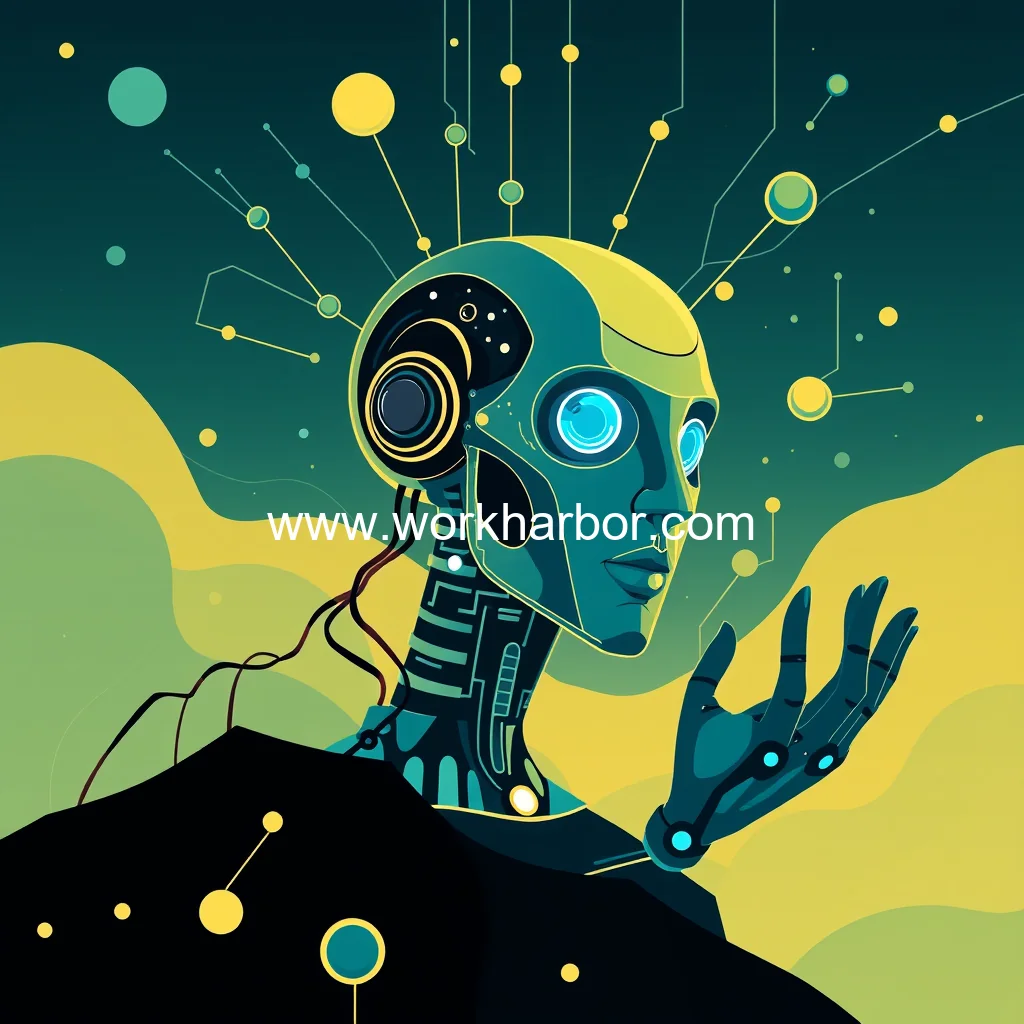
The increasing presence of artificial intelligence (AI) in the job market has sparked a heated debate about the future of work. As AI technology advances, it is transforming the way we approach various professions, from data analysis to customer service. While some argue that AI will replace human workers, others believe it will create new job opportunities that we cannot yet imagine.
The Double-Edged Sword of AI
On one hand, AI has the potential to automate routine and repetitive tasks, freeing up human workers to focus on more complex and creative tasks. This could lead to increased productivity and efficiency in various industries. On the other hand, AI may displace certain jobs, particularly those that involve tasks that can be easily automated, such as data entry or customer service.
Embracing the Power of Adaptability
In today’s fast-paced and ever-evolving job market, the ability to adapt quickly is more valuable than ever. Employers are constantly looking for employees who can pivot and adjust to new situations, technologies, and challenges. By embracing the power of adaptability, you can stay ahead of the curve and increase your chances of success. Key skills for adaptability include: + Being open to new ideas and perspectives + Embracing change and uncertainty + Developing a growth mindset + Staying curious and seeking out new knowledge + Being proactive and taking initiative
The Benefits of a Growth Mindset
A growth mindset is essential for success in today’s job market. It allows you to approach challenges with a positive and optimistic attitude, and to see failures and setbacks as opportunities for growth and learning. By adopting a growth mindset, you can:
Overcoming Obstacles to Change
Resisting change for the sake of change can be a major obstacle to success.
The Power of a Growth Mindset
A growth mindset is a powerful tool for personal and professional development. It’s the belief that one’s abilities and intelligence can be developed through dedication and hard work.
You can start by taking small steps towards your goal, and gradually build momentum.
Introduction
The concept of upskilling has gained significant attention in recent years, particularly among professionals seeking to enhance their skills and stay relevant in the ever-evolving job market. However, many individuals may feel overwhelmed by the prospect of upskilling, unsure of where to begin or how to make the most of their time and resources. In this article, we will explore the benefits of upskilling, provide practical tips for getting started, and offer guidance on how to create a personalized upskilling plan.
Benefits of Upskilling
Upskilling offers numerous benefits, including:
For instance, a software developer who takes online courses to learn about data science can increase their earning potential by up to 20% and become more competitive in the job market.
Getting Started
Getting started with upskilling can seem daunting, but it’s easier than you think. Here are some practical tips to help you get started:
In the future, these skills will be more valuable than technical skills like coding and data analysis.
The Rise of Soft Skills in the Job Market
Why Soft Skills Matter
In today’s fast-paced and rapidly changing job market, technical skills are no longer enough to guarantee success. As AI and automation continue to advance, the types of jobs available are shifting, and the skills required to excel in these roles are changing. While technical skills like coding and data analysis will always be in demand, soft skills like relationship building and collaboration are becoming increasingly valuable.
The Importance of Soft Skills
Soft skills are the non-technical skills that are essential for success in the workplace. They include skills like communication, problem-solving, time management, and adaptability. These skills are not only important for getting hired, but also for advancing in your career and achieving success. Key soft skills include: + Communication: the ability to clearly and effectively convey ideas and information + Problem-solving: the ability to analyze problems and develop effective solutions + Time management: the ability to prioritize tasks and manage time effectively + Adaptability: the ability to adjust to changing circumstances and priorities
The Value of Soft Skills
Soft skills are not just important for getting hired, but also for advancing in your career.
Encouraging Interactions Outside Event Hours ##
- Hosting a post-event meetup or gathering
- Creating a social media group or forum for attendees to connect
- Offering exclusive discounts or promotions to attendees who attend the event outside of the set hours
- Providing a platform for attendees to share their experiences and feedback
The Benefits of Encouraging Interactions Outside Event Hours
Encouraging interactions outside of the set event hours can have numerous benefits for both attendees and organizers. Some of these benefits include: