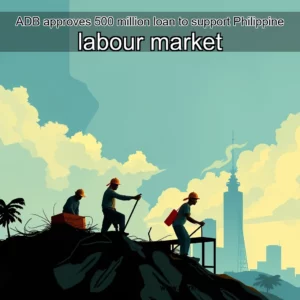
The country’s large and young population presents both opportunities and challenges for the government to achieve its ambitious economic goals.
India’s Demographic Advantage
India’s population is the second-largest in the world, with over 1.38 billion people, and it is expected to continue growing at a rapid pace. The country’s population is also highly skewed towards youth, with over 65% of its population below the age of 35. This demographic advantage presents both opportunities and challenges for the government to achieve its economic goals.
Opportunities
Soft Skills are the Key to Success in the Modern Workplace.
The Importance of Soft Skills in the Modern Workplace
In today’s fast-paced and rapidly changing work environment, the importance of soft skills cannot be overstated. While technical skills are essential for performing specific job tasks, soft skills are the backbone of a successful career. In this article, we will explore the significance of soft skills, particularly in the context of the World Bank’s emphasis on collaboration and adaptability.
The World Bank’s Perspective
The World Bank, an international financial institution, has highlighted the importance of soft skills in its reports and initiatives. According to the World Bank, workers must develop complex problem-solving, teamwork, and adaptability skills to succeed in today’s globalized economy. The Bank stresses the need for collaboration between governments, academic institutions, and skill development bodies to create a skilled workforce.
Vocational skills training in India is hindered by traditional practices and limited recognition by policymakers.
The State of Vocational Skills Training in India
The review of youth employment opportunities across six states in India revealed a concerning trend. The majority of vocational skills training in the country is based on traditional and hereditary practices, which are often not recognized by policymakers. This lack of recognition can have significant implications for the future of vocational education in India.
The Challenges Facing Vocational Skills Training
The review highlighted several challenges facing vocational skills training in India. These challenges include limited access to quality training programs, lack of standardization in training curricula, insufficient funding for vocational education, and limited recognition of traditional skills by policymakers.
The Impact of Traditional Practices on Vocational Education
Traditional practices in vocational skills training can have a significant impact on the quality of education. These practices often prioritize the skills and knowledge of the trainers over the needs of the learners.
The World Bank emphasizes that these skills are not only valuable in the future but also in the current job market.
The Changing Job Market: A Shift in Skill Education
The job market is undergoing a significant transformation. The World Bank has identified nine critical challenges and areas for opportunity, and one of the key areas of focus is changing perceptions around skill education. The traditional view of education has been centered around acquiring specific skills for a particular job, but this approach is no longer sufficient in today’s fast-paced and rapidly changing job market.
The Need for Complex Problem-Solving Skills
The World Bank emphasizes that workers must develop complex problem-solving skills, which are essential for success in the modern job market. These skills enable individuals to analyze complex situations, identify patterns, and develop innovative solutions.
The Indian Government’s Vocational Education Reforms
The Indian government has been working tirelessly to revamp the vocational education sector, aiming to transform it into a decentralized, market-driven, and more inclusive model. This ambitious initiative is expected to propel the sector towards financial sustainability and equip it to prepare the workforce for a high-income economy.
Key Initiatives
The government has introduced a range of initiatives aimed at enhancing employability and skills development.
The expansion would benefit young people who are currently excluded from the scheme due to age restrictions.
The Current Scheme and Its Benefits
The Prime Minister Internship Scheme is a government initiative that provides young people with the opportunity to gain work experience and skills in various fields. The scheme is designed to equip participants with the necessary skills and knowledge to secure employment in their chosen field.
Benefits of the PM Internship Scheme
The PM Internship Scheme is designed to provide young Indians with the opportunity to gain practical experience in various sectors, including technology, healthcare, and finance. The scheme offers numerous benefits, including:
MENAFN22112024007365015876ID1108916442