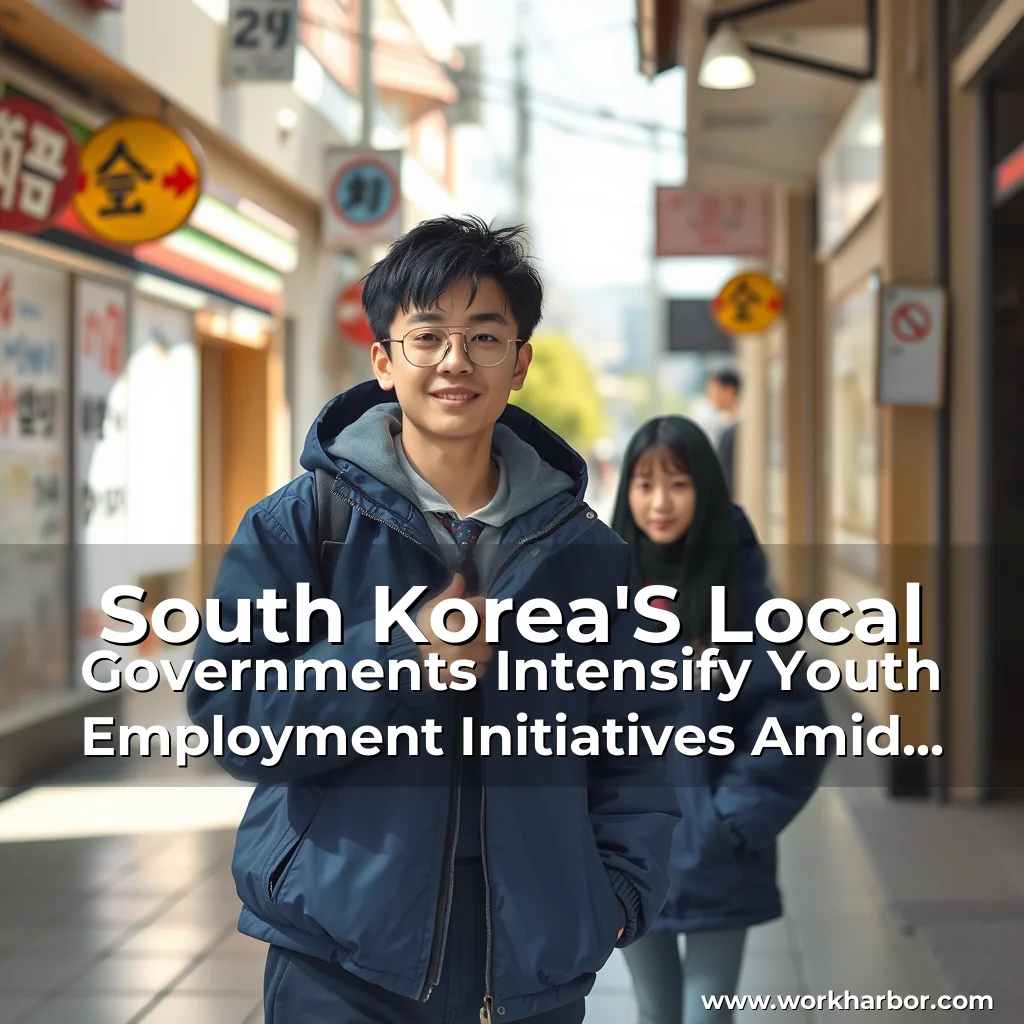
Initiatives are aimed at supporting young jobseekers in finding employment.
Youth unemployment in Korea is a growing concern that affects the economy and the young people themselves. Note:
The youth unemployment rate in Korea is 9.1 percent, which is higher than the OECD average of 5.5 percent. The youth unemployment crisis in Korea is a pressing issue that affects not only the young people but also the entire economy. The youth unemployment rate has been steadily increasing since 2015, with a peak of 10.4 percent in 2018.
The Unemployment Crisis for Doctorate Holders in Korea
The unemployment rate for doctorate holders in Korea has reached a critical point. According to the Ministry of Education, the number of unemployed doctorate holders has increased by 20% in the past year alone. This alarming trend has sparked a heated debate about the relevance of higher education in the modern job market.
Government Response
Local governments across Korea are responding to the unemployment crisis by providing a range of supports. Some of the initiatives include:
The city will also provide support for entrepreneurship and innovation, including funding for startups and business incubators. The city of Busan, South Korea, has taken a proactive approach to addressing the challenges faced by young people in the job market.
The program is designed to help young people develop their skills and build their confidence in the job market.
The Gwangju Metropolitan City Job Seeker Program The program is designed to help young people develop their skills and build their confidence in the job market. The program is run by the Gwangju Metropolitan City government and is supported by local businesses and organizations.
Benefits of the Program
The city aims to create 1,000 new job opportunities for its youth. The province is also focusing on developing its tourism industry, with plans to increase the number of tourist attractions and improve infrastructure. The province is also investing in education and training programs to help young people acquire the skills they need to succeed in the job market. The province is partnering with private companies to provide training and placement services for young people. The province is also investing in vocational training programs to help young people acquire the skills they need to succeed in the job market. The province is also prioritizing the development of its infrastructure, with plans to improve transportation links and increase the availability of housing. The province is also investing in renewable energy projects, with plans to increase the use of solar and wind power. The province is also focusing on promoting its cultural heritage, with plans to develop a cultural center and improve the preservation of historical sites. The province is also prioritizing the development of its digital infrastructure, with plans to improve internet connectivity and increase the availability of digital services. The province is also investing in healthcare and social services, with plans to improve access to healthcare and increase the availability of social services. The province is also focusing on promoting its natural environment, with plans to develop a national park and improve the preservation of natural habitats. The province is also prioritizing the development of its agricultural sector, with plans to increase the production of food and improve the efficiency of farming practices. The province is also investing in research and development, with plans to increase the use of technology and improve the efficiency of research and development processes. The province is also focusing on promoting its economic development, with plans to increase the GDP and improve the competitiveness of its economy.
The South Korean government has also established a special task force to help young people find employment in the country. The government has also launched a nationwide campaign to promote the use of technology in the workplace.