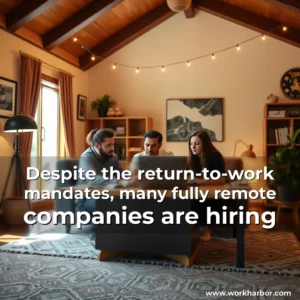
The Future of Work: Unlocking Remote Opportunities in the Digital Age
In an era where technology continues to reshape industries, the concept of traditional office spaces is evolving rapidly. As global connectivity improves and digital collaboration tools become more sophisticated, businesses are increasingly recognizing that talent can thrive anywhere—whether from a home office in Tokyo or a co-working space in Buenos Aires. This shift has created unprecedented opportunities for professionals seeking flexibility without sacrificing career growth.
Remote work isn’t just a trend; it’s becoming a cornerstone of modern employment strategies across sectors ranging from tech startups to multinational corporations. For job seekers navigating today’s dynamic workforce landscape, understanding how to leverage these new possibilities could mean unlocking access to roles they never thought possible while enjoying greater autonomy over their daily routines.
Diverse Industries Embracing Remote Work Models
From software development firms requiring constant innovation to creative agencies prioritizing out-of-the-box thinking, nearly every industry sector now includes positions suitable for remote workers. Technology companies lead the charge by offering fully distributed teams that operate seamlessly through cloud-based platforms and real-time communication apps like Slack and Zoom.
Agriculture might seem unlikely at first glance but even here we see change—agribusinesses use satellite imaging and IoT sensors to monitor crop health remotely while maintaining field operations locally. Similarly, healthcare providers employ telemedicine solutions allowing doctors to consult patients virtually using secure video conferencing systems compliant with HIPAA regulations.
- Information Technology: Software engineers, cybersecurity specialists, data scientists, DevOps engineers
- Creative Services: Graphic designers, copywriters, UI/UX developers, video editors
- Professional Services: Financial analysts, legal consultants, project managers, HR specialists
Finding Your Perfect Remote Job Match
Beyond simply identifying which fields offer remote options lies the crucial task of finding the right match based on individual skills, preferences, and lifestyle needs. Platforms like We Work Remotely, FlexJobs, and Remote.co curate listings specifically tailored toward full-time remote careers spanning various experience levels and geographic locations.
When evaluating potential opportunities, consider factors such as company culture alignment, expected hours versus actual working time commitments, compensation structures including benefits packages for remote employees, and whether travel requirements exist despite being labeled’remote.’ These nuances significantly impact long-term satisfaction with any position.
Evaluating Company Culture Through Virtual Means
Assessing corporate culture when applying to remote jobs requires additional effort since physical presence typically provides immediate insight into workplace dynamics. Research available resources such as Glassdoor reviews, LinkedIn posts from current employees, and social media channels maintained by hiring organizations. Pay attention not only to formal descriptions but also informal discussions about team interactions during virtual events or online forums.
If initial research doesn’t provide sufficient clarity, don’t hesitate to request informational interviews with existing staff members who may share candid perspectives about day-to-day experiences within the organization. Many progressive employers encourage open dialogue between candidates and their future colleagues before finalizing offers.
Building Essential Skills for Success in Remote Environments
To excel in remote settings demands mastery beyond technical competencies acquired through formal education or training programs. Time management becomes critical when distinguishing between personal life and professional responsibilities without clear boundaries established by conventional workplaces.
Communication proficiency takes on renewed importance through asynchronous methods relying heavily on written correspondence rather than face-to-face conversations. Writing clearly and concisely helps prevent misunderstandings that could arise from misinterpreted emails or unclear documentation shared across different time zones.
- Self-discipline: Establish consistent schedules and dedicated workspace environments conducive to productivity
- Adaptability: Be prepared to adjust workflows according to changing priorities communicated via instant messaging platforms
- Technical Proficiency: Familiarize yourself with essential tools used by your prospective employer – Microsoft Teams, Google Workspace, Trello boards
Navigating Legal Considerations for Global Remote Workers
As international borders blur concerning employment arrangements, understanding jurisdictional implications related to labor laws becomes paramount for both employers and employees operating outside their native countries. Issues surrounding tax obligations, insurance coverage, retirement plans, and contract legality often require careful navigation especially when dealing with cross-border agreements.
Taxation policies vary considerably among nations meaning income earned abroad might subject individuals to double taxation unless properly managed through mechanisms like foreign earned income exclusions or tax treaties negotiated between respective governments. Consulting with certified financial advisors specializing in expatriate matters proves invaluable prior to making definitive decisions regarding relocation.
Insurance Coverage Across Borders
Maintaining adequate health insurance remains vital regardless of location yet acquiring appropriate coverage internationally presents unique challenges due to differences in medical systems worldwide. Some remote workers opt for global health insurance plans designed explicitly for frequent travelers whereas others rely solely upon local provisions provided by host country residents.
Retirement savings vehicles differ substantially depending on region necessitating strategic planning around pension contributions percentages required under each applicable jurisdiction. Utilizing international transferable accounts allows easier management of finances ensuring continuity even amidst geographical transitions.
Cultivating Professional Relationships in Virtual Settings
Establishing meaningful connections with peers and mentors poses distinct hurdles compared to traditional office environments where casual encounters naturally occur throughout the workday. Proactive engagement through regular check-ins, participation in virtual coffee chats, and contributing actively to collaborative projects help foster rapport among geographically dispersed teams.
Leverage internal networks by joining relevant departments’ Slack channels or participating in monthly town hall meetings streamed live globally. Demonstrating genuine interest in colleagues’ projects showcases commitment towards collective success rather than merely focusing narrowly on individual achievements.
- Virtual Networking Events: Attend webinars hosted by industry associations or join virtual conferences featuring keynote speakers from diverse backgrounds
- Social Media Engagement: Follow key opinion leaders within your niche area using platforms like Twitter/X and engage constructively with their content
- Online Communities: Participate in Reddit subreddits focused on remote work experiences sharing insights gained firsthand
Creating Productive Home Offices for Optimal Performance
A well-designed home workspace plays instrumental role in sustaining high performance standards particularly when juggling multiple tasks simultaneously from various devices connected wirelessly. Investing in ergonomic furniture reduces risk of musculoskeletal disorders associated prolonged sitting periods commonly encountered by remote professionals.
Proper lighting conditions prevent eye strain caused extended screen exposure while noise-canceling headphones assist concentration levels amid household distractions. Organized desk setups facilitate efficient workflow minimizing unnecessary movements between items frequently accessed during typical work cycles.
Essential Equipment Investments
Prioritize purchasing quality monitors capable displaying larger screens improving multitasking capabilities alongside dual-monitor configurations ideal for coding tasks involving simultaneous viewing of source code files along side debugging interfaces.
An adjustable standing desk promotes healthier posture alternatives reducing dependency exclusively on seated postures beneficial long term spinal health maintenance efforts undertaken regularly through alternating positions throughout work sessions.
Managing Work-Life Balance Amidst Blurred Boundaries
One of greatest challenges faced remote workers concerns delineating separation between occupational duties private lives given absence physical demarcation lines traditionally offered offices. Implementing strict routines regarding designated start/end times aids establishing mental framework separating productive modes relaxation phases effectively.
Engaging hobbies outside professional sphere reinforces identity beyond job titles preventing burnout symptoms stemming chronic overcommitment toward singular pursuit career advancement goals alone. Allocating buffer periods between consecutive assignments preserves psychological resilience necessary enduring sustained periods intense focus required complex problem solving scenarios inevitably encountered professional contexts.
- Time Blocking Techniques: Schedule non-negotiable blocks allocated specific activities including exercise routines meal preparations thereby reinforcing structured approach managing multifaceted aspects daily existence
- Designated Offsites: Designate particular areas within living quarters strictly reserved recreational purposes facilitating subconscious cues signaling transition away work mindset whenever occupying those spaces
- Regular Digital Detox Periods: Plan intentional intervals disconnecting completely electronic devices enabling complete immersion restorative activities enhancing overall wellbeing outcomes achieved consistently applied strategies
Overcoming Common Challenges Faced by Remote Professionals
Despite numerous advantages afforded working remotely several obstacles persistently challenge successful implementation sustainable practices within virtual ecosystems. Isolation resulting lack face-to-face interaction emerges primary concern affecting motivation levels potentially leading decreased engagement rates observed studies conducted longitudinal analyses employee retention metrics.
Technical difficulties arising network instability hardware malfunctions contribute significant stressors disrupting seamless execution business processes reliant uninterrupted connectivity services. Having backup internet sources emergency equipment readily accessible mitigates risks associated sudden outages impacting operational continuity critically sensitive timelines.
- Combatting Loneliness: Join online communities centered around shared interests utilizing platforms like Meetup groups specialized professions cultivating friendships rooted common objectives
- Improving Reliability: Invest reliable broadband provider subscription tier supporting higher bandwidth capacities resilient against intermittent failures experienced regional service disruptions
- Enhancing Communication: Develop clear protocols outlining preferred mediums contacting teammates specifying response expectations aligning temporal constraints varying time zones
Staying Competitive Within Evolving Remote Market Landscape
Rapid technological advancements continually redefine parameters defining competitive edge within contemporary marketplace demanding continuous learning investment preserving relevance emerging trends shaping future trajectories industries undergoing transformation driven digitization forces permeating every facet modern economy.
Certifications validating expertise particular domains remain powerful assets demonstrating dedication self-improvement strengthening candidacy applications pursuing coveted positions requiring specialized knowledge sets currently sought after recruiters scanning candidate profiles rigorous selection procedures.
Continuous Learning Resources Available Online
Platforms such Coursera Udemy Pluralsight offer extensive course catalogs covering wide range topics from basic programming fundamentals advanced machine learning algorithms enabling acquisition cutting-edge skillsets aligned latest industry standards. Completing nanodegree programs credentialing pathways verifying proficiency attained thorough assessments administered instructors evaluating progress systematically.
Participating MOOCs Massive Open Online Courses facilitates networking opportunities connecting learners global peers fostering collaborations initiatives leveraging combined strengths tackling complex problems previously deemed insurmountable single entities acting independently isolated silos.
Embracing Hybrid Work Models as Transitional Solutions
While fully remote configurations present attractive propositions many organizations adopt hybrid approaches blending elements traditional onsite presence digital flexibility addressing nuanced requirements workforce diversity expanding horizons accessibility inclusive environments accommodating varied circumstances personal preferences.
This model affords employees choice deciding optimal balance physical proximity virtual detachment according individual circumstances ensuring equitable treatment respecting differing viewpoints regarding efficacy productivity measured comparative benchmarks established empirical evidence derived controlled experiments comparing outputs generated analogous conditions replicated accurately laboratory settings.
- Flexibility Benefits: Employees gain autonomy selecting days attending office premises based workload fluctuations scheduling considerations optimizing efficiency allocating resources efficiently maximizing output metrics
- Collaborative Synergy: In-person interactions enhance spontaneous ideation sessions generating innovative breakthroughs difficult replicate entirely virtual contexts lacking tactile engagement visual cues inherent human communication
- Workplace Integration: Regular visits maintain cultural cohesion reinforcing organizational values through immersive experiences cultivating sense belongingness fostering loyalty reducing attrition rates correlated disconnection feelings perceived exclusionary tendencies
Conclusion
Remote work has transformed the way people perceive and pursue their careers, creating a more flexible and boundary-free environment that caters to diverse lifestyles and aspirations. Whether you’re drawn to the freedom of choosing where you work or seek better work-life integration, there are countless opportunities waiting to be explored in this ever-expanding realm of possibility.
By equipping yourself with the right skills, understanding the market dynamics, and staying adaptable to changes, you’ll find that the world of remote work is not just feasible—it’s filled with exciting prospects that can elevate your professional journey to new heights.