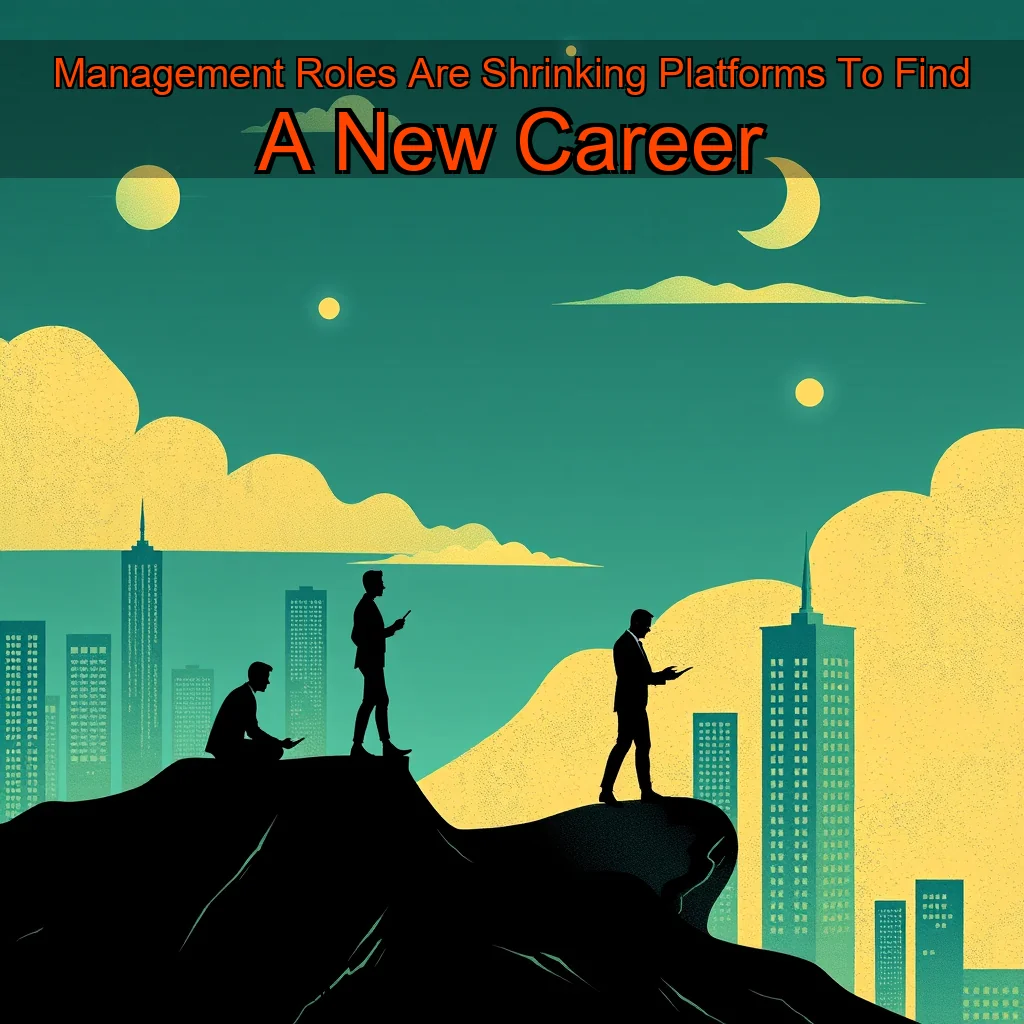
This shift has significant implications for employees, the economy, and the future of work.
The Decline of Middle Management
A Changing Landscape
The decline of middle management is a widespread phenomenon, affecting various industries and sectors. According to a report by the Harvard Business Review, over 40% of middle-management positions have been eliminated in the past decade. This trend is not limited to any particular industry; it is a global phenomenon that has significant implications for the workforce.
The Reasons Behind the Decline
Several factors contribute to the decline of middle management. Some of the key reasons include:
Adapting to Change
The ability to adapt to change is a crucial skill for middle managers. As organizations evolve, middle managers must be able to navigate shifting priorities, new technologies, and changing market conditions. This requires a high degree of flexibility, creativity, and problem-solving skills. Key characteristics of adaptable middle managers: + Open-mindedness to new ideas and perspectives + Ability to think critically and strategically + Willingness to take calculated risks + Effective communication and collaboration skills
Examples of Adaptable Middle Managers
Building a Strong Network
A strong professional network is essential for middle managers to stay informed about industry trends, best practices, and new opportunities.
Freelancers can find flexible work opportunities on platforms like Upwork, Catalant, and Zintro.
The Rise of Freelance Platforms
The freelance industry has experienced significant growth in recent years, with the rise of platforms like Upwork, Catalant, and Zintro. These platforms have transformed the way professionals work, providing a range of benefits for both freelancers and clients.
Benefits for Freelancers
Freelancers can find a wide range of opportunities on these platforms, from short-term projects to long-term consulting gigs. This flexibility allows them to choose projects that align with their interests, skills, and availability.
The Benefits of Entrepreneurship for Former Managers
As a former manager, you possess a unique combination of skills that can be leveraged to succeed in entrepreneurship. These skills include operational and financial expertise, which are essential for running a business. By applying your leadership skills in a new context, you can turn your management experience into a successful entrepreneurial venture.
Key Skills for Former Managers
Small businesses can access a range of financial and non-financial resources to help them succeed.
The Small Business Innovation Research (SBIR) and Small Business Technology Transfer (STTR) programs offer grants to small businesses that develop innovative products or services.
Introduction
The Small Business Administration (SBA) is a vital resource for entrepreneurs and small business owners. The SBA offers a wide range of financial and non-financial resources to help startups and small businesses succeed. In this article, we will explore the various resources available to small businesses, including loans, grants, and business development resources.
Loans and Grants
The SBA provides several types of loans and grants to small businesses. Some of the most popular options include:
This trend is driven by the need to retain and attract top talent in a competitive job market.
The Rise of Corporate Coaching
In recent years, corporate coaching has become a highly sought-after service in the business world. This type of coaching focuses on helping employees develop the skills and competencies needed to excel in their roles. Former managers with strong leadership and mentoring skills are in high demand to provide this type of coaching.
Benefits of Corporate Coaching
The Role of Former Managers in Corporate Coaching
Former managers with strong leadership and mentoring skills are well-positioned to provide corporate coaching. They bring a wealth of experience and knowledge to the table, having navigated similar challenges and successes in their own careers. This expertise enables them to provide valuable insights and guidance to employees.
Key Skills and Qualities
The Impact of Corporate Coaching on Organizations
Corporate coaching can have a significant impact on organizations. By investing in employee development, companies can:
The Future of Corporate Coaching
As the business landscape continues to evolve, the demand for corporate coaching is likely to increase. Former managers with strong leadership and mentoring skills will remain in high demand to provide this type of coaching.
Udemy also hires for roles in instructional design, course creation, and training program management.
The Rise of Online Learning Platforms
The online learning landscape has undergone significant transformations in recent years, driven by the increasing demand for flexible and accessible education. Online learning platforms have emerged as a vital component of this shift, offering a wide range of courses, training programs, and degree programs to cater to diverse learning needs.
Key Players in the Online Learning Market
Several online learning platforms have gained prominence in the market, including:
These platforms have not only changed the way we learn but have also created new opportunities for professionals in the field of instructional design, training facilitation, and learning and development (L&D) specialists.
Instructional Design and Training Program Management
Instructional designers, training facilitators, and L&D specialists play a crucial role in creating engaging and effective learning experiences for online courses and training programs.
Instead, it highlights the need for a new breed of leaders who can navigate the complexities of the modern business landscape.
The Rise of the New Leader
The decline of middle management is a result of the changing nature of work and the rise of digital technologies. With the advancement of automation and artificial intelligence, many tasks that were previously performed by middle managers are now being automated. This has led to a reduction in the number of middle managers in many organizations. Key characteristics of the new leader: + Adaptable and agile + Strong communication and interpersonal skills + Ability to navigate complex systems and technologies + Emphasis on innovation and creativity + Focus on employee engagement and development
The Skills Gap
The decline of middle management has created a significant skills gap in many organizations. Middle managers were once responsible for implementing company policies and procedures, but now they are being replaced by technology. This has left a gap in leadership skills, particularly in areas such as:
The New Leader’s Role
The new leader is not just a replacement for middle management, but a new breed of leader who can navigate the complexities of the modern business landscape.