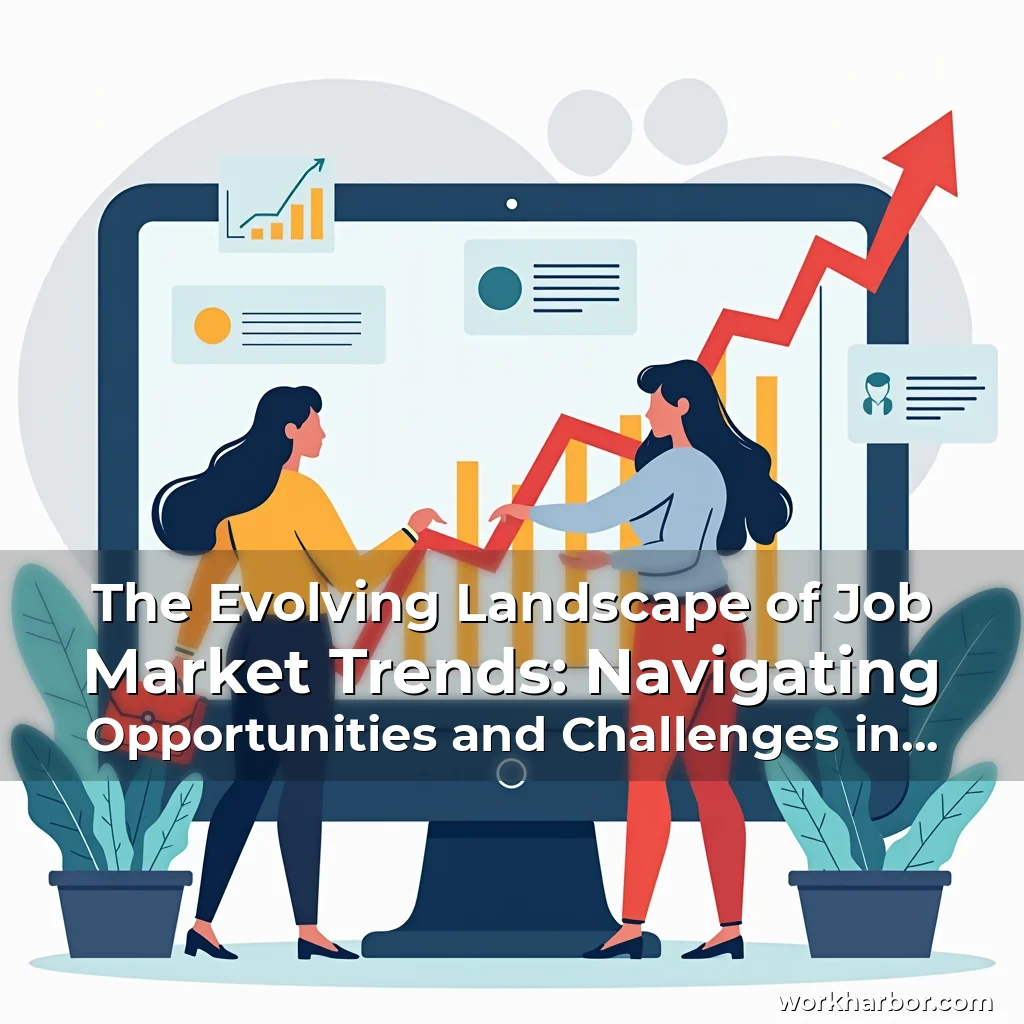
The Evolving Landscape of Job Market Trends: Navigating Opportunities and Challenges in 2024
In 2024, the global job market is undergoing significant transformation driven by technological advancements, economic shifts, and changing workforce expectations. From the rise of artificial intelligence to the growing emphasis on remote work, professionals are facing both new opportunities and complex challenges.
This dynamic environment requires individuals to stay informed and adaptable as they seek employment, advance their careers, or pivot industries. Understanding current trends can empower workers to make strategic decisions that align with future demands.
The Impact of Artificial Intelligence on Employment
Artificial intelligence (AI) has become a dominant force across various sectors, reshaping traditional roles and creating entirely new career paths. While AI automates routine tasks, it also enhances productivity and enables innovation in fields such as healthcare, finance, and manufacturing.
However, the integration of AI raises concerns about job displacement, particularly in industries reliant on manual labor or repetitive processes. Workers must now acquire skills related to AI implementation and data analysis to remain competitive.
- Automation of Routine Tasks: Many administrative and clerical positions are being streamlined through automation tools powered by machine learning algorithms.
- Rise of New Professions: Demand for AI specialists, data scientists, and ethical AI consultants is surging as companies invest heavily in intelligent systems.
The Resilience of Remote Work Models
Remote work has transitioned from an occasional perk to a permanent feature in many organizations’ strategies. This shift offers greater flexibility but also presents challenges related to employee engagement and collaboration.
Employers are rethinking workplace policies to support hybrid models that balance remote and in-office interactions. Tools like Zoom, Slack, and Microsoft Teams have become essential for maintaining communication and project management efficiency.
Statistics Highlighting Remote Work Adoption
A recent survey conducted by FlexJobs reveals that over 60% of employees prefer working remotely at least part-time. Companies report increased retention rates among staff who enjoy flexible schedules.
Despite these benefits, some industries still require physical presence due to safety regulations or hands-on operations. The construction sector, for example, remains largely non-remote-friendly compared to tech-based roles.
Demand Surge in Green Energy Sectors
The push towards sustainability has led to unprecedented growth in green energy jobs, spanning renewable resources like solar power, wind energy, and electric vehicle technology. These sectors offer promising long-term stability and innovation potential.
Governments worldwide are implementing policies aimed at reducing carbon emissions, which further stimulates investment in clean technologies and creates thousands of new job openings annually.
Evolving Skill Requirements Across Industries
As digital literacy becomes increasingly vital, employers are prioritizing candidates who demonstrate proficiency in emerging technologies such as cloud computing, cybersecurity, and blockchain development. Upskilling programs have emerged as critical pathways for professional advancement.
Cross-functional competencies—including emotional intelligence and adaptability—are gaining importance alongside technical expertise. Employers value individuals capable of navigating change while fostering team cohesion.
The Role of Lifelong Learning Platforms
Platforms like Coursera, Udemy, and LinkedIn Learning provide accessible avenues for acquiring relevant skills without requiring formal degrees. Microcredentials and certifications help validate knowledge gained through self-directed study.
Many corporations now sponsor internal training initiatives to ensure employees stay updated with industry standards. Collaborations between educational institutions and businesses facilitate tailored curriculum designs aligned with real-world needs.
The Gig Economy’s Growing Influence
The gig economy continues expanding, offering freelance opportunities in areas ranging from software development to marketing analytics. It provides income diversification but often lacks the security associated with traditional employment contracts.
Freelancers face unique considerations regarding tax obligations, health insurance coverage, and retirement savings plans. Legal frameworks around contractor classification vary significantly across regions.
Demographic Shifts Shaping Future Hiring Practices
Multigenerational workplaces bring diverse perspectives yet pose challenges concerning intergenerational communication styles and preferred modes of feedback delivery. Leaders must cultivate inclusive environments where all age groups feel valued.
Younger generations entering the workforce prioritize purpose-driven missions and company culture when choosing employers. They expect transparency about organizational values and social responsibility efforts.
Globalization’s Effects on Labor Markets
Advancements in global connectivity enable multinational enterprises to source talent internationally while simultaneously increasing competition within local markets. Offshoring certain functions allows cost reduction but may affect domestic unemployment rates depending on regional contexts.
Cultural sensitivity plays a crucial role in international hiring scenarios; understanding regional nuances helps prevent misunderstandings during cross-border collaborations or virtual meetings involving diverse teams.
Conclusion
The landscape of today’s job market reflects continuous evolution shaped by technological progress, environmental priorities, and shifting societal norms. Recognizing these patterns empowers individuals to navigate uncertainties effectively while positioning themselves advantageously against rising challenges.
To thrive amidst ongoing changes, professionals should embrace lifelong learning principles, maintain versatility across skill sets, and actively engage with evolving industry practices through networking events or mentorship relationships.