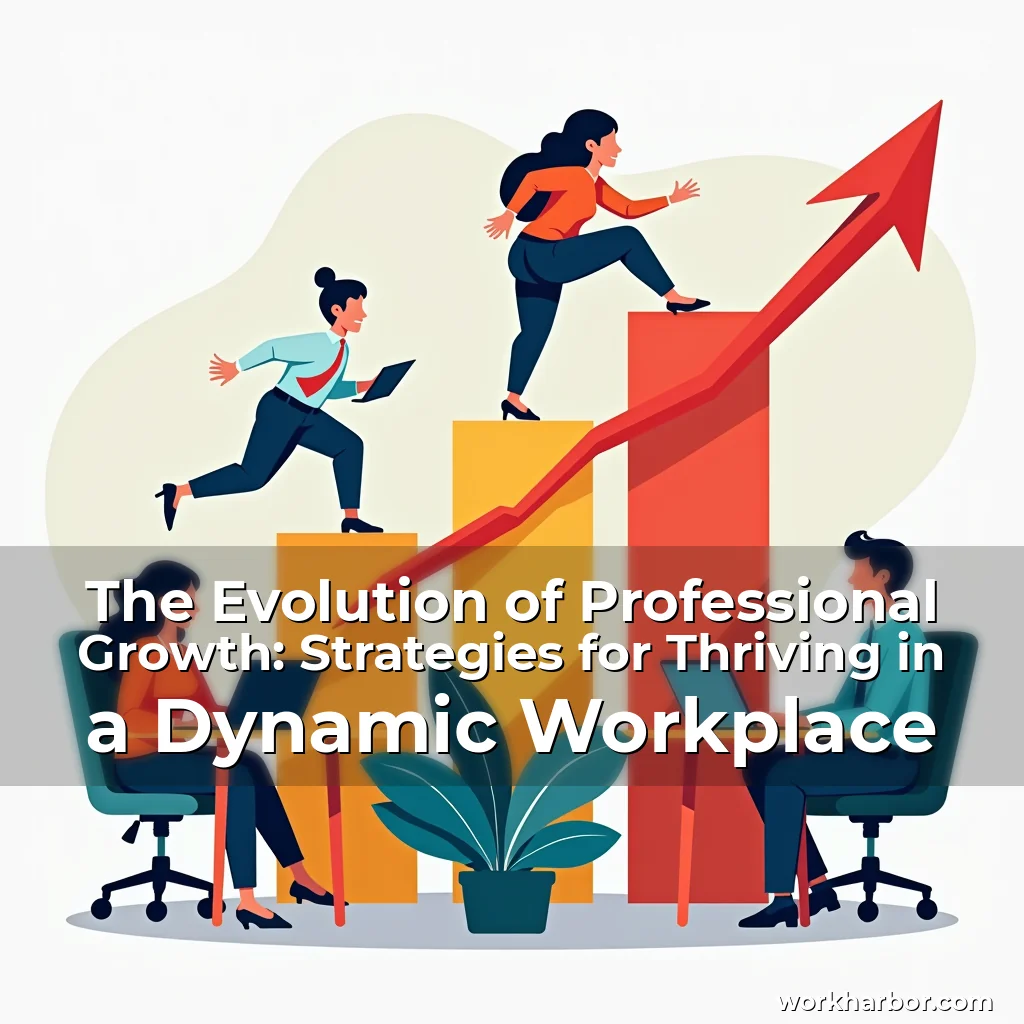
The Evolution of Professional Growth: Strategies for Thriving in a Dynamic Workplace
In today’s fast-paced business environment, professional growth has become more than just climbing the corporate ladder—it’s about adapting, learning, and evolving continuously. Whether you’re an entry-level employee or a seasoned executive, embracing opportunities for development is essential to staying competitive.
This article explores innovative strategies, tools, and mindsets that empower individuals and organizations to cultivate sustainable career advancement while fostering a culture of lifelong learning within teams.
Understanding the Modern Landscape of Career Development
Career paths are no longer linear trajectories but complex journeys shaped by technology, globalization, and shifting industry demands. Traditional roles evolve rapidly as automation reshapes job functions across sectors.
For example, digital transformation initiatives have redefined leadership expectations, requiring professionals to develop skills in data analytics, AI integration, and cross-functional collaboration. This shift emphasizes adaptability over static expertise.
- Technology-driven change: Automation and AI are transforming industries at unprecedented speed, necessitating continuous skill updates.
- Gig economy influence: Freelancing platforms enable flexible career options, challenging conventional notions of employment stability.
These developments demand a proactive approach to self-improvement and strategic career planning. Individuals who embrace these changes position themselves as invaluable assets to their organizations.
Fostering a Culture of Continuous Learning Within Organizations
Organizations that prioritize ongoing education create environments where employees feel empowered to grow professionally without fear of obsolescence. Leadership plays a crucial role in establishing such cultures through supportive policies and resource allocation.
Implementing structured mentorship programs can accelerate knowledge transfer between experienced staff and newer team members. These relationships often lead to increased innovation and improved problem-solving capabilities.
A study by LinkedIn found that companies investing in employee upskilling see a 38% increase in productivity compared to those neglecting professional development initiatives.
Beyond formal training sessions, creating informal learning networks—such as peer-to-peer workshops or lunch-and-learn sessions—can foster organic knowledge sharing among colleagues.
Leadership commitment to development also impacts retention rates; employees value workplaces that invest in their long-term potential.
Strategic Planning for Personal Career Advancement
Effective personal development requires intentional goal-setting aligned with both individual aspirations and organizational objectives. Setting SMART goals provides a framework for measurable progress tracking.
Consider aligning your professional ambitions with company vision statements when identifying developmental milestones. For instance, if your organization focuses on sustainability, pursuing certifications related to green technologies could enhance your relevance within the company structure.
Regularly revisiting these goals ensures they remain relevant amidst changing market conditions and internal restructuring efforts.
Maintaining flexibility in your plan allows room for unexpected opportunities that may arise from new projects or departmental shifts within your workplace.
Leveraging Technology for Enhanced Skill Acquisition
Digital learning platforms provide accessible avenues for acquiring new competencies at any stage of one’s career. From MOOCs offering specialized courses to virtual reality simulations for technical training, technology expands educational possibilities beyond traditional classrooms.
Microlearning modules allow busy professionals to absorb information efficiently during brief downtime periods rather than committing hours to extended coursework.
Platforms like Coursera, Udemy, and Pluralsight offer certification programs recognized by many employers, providing tangible proof of newly acquired skills.
Virtual networking events and webinars facilitate connections with industry leaders while expanding one’s understanding of emerging trends and best practices.
Integrating online assessments into your development strategy helps identify skill gaps before they impact performance metrics or project outcomes.
Building Meaningful Mentorship Relationships
Mentorship extends beyond mere guidance—it creates mutually beneficial partnerships where both mentors and mentees gain fresh perspectives and enhanced capabilities. Establishing authentic connections is key to forming effective mentoring relationships.
Identify potential mentors whose experiences align with your career interests. Approach them respectfully with clear intentions regarding what you hope to learn from the relationship.
Setting regular check-ins helps maintain consistency in communication while allowing space for natural evolution in the partnership over time.
Mentors benefit from having someone enthusiastic and curious about their field, which keeps them engaged with current challenges facing younger generations entering the workforce.
Successful mentoring pairs typically share common values and mutual respect, ensuring productive exchanges that last well beyond initial introductions.
Cultivating Emotional Intelligence for Career Success
Emotional intelligence (EI) plays a critical role in navigating workplace dynamics effectively. Developing EI enhances interpersonal relationships and improves decision-making under pressure situations.
Self-awareness forms the foundation of emotional intelligence—understanding how our emotions affect behavior enables better control over reactions during high-stress scenarios.
Practicing active listening skills fosters stronger communication channels between colleagues and supervisors alike. This leads to fewer misunderstandings and more collaborative problem-solving approaches.
Empathy allows professionals to connect authentically with diverse coworkers, promoting inclusivity and reducing conflicts arising from cultural differences or differing viewpoints.
Managing stress constructively prevents burnout and maintains overall well-being necessary for sustained professional success.
Mastering Time Management Techniques for Optimal Productivity
Efficient time management is vital for balancing professional responsibilities alongside personal development activities. Prioritizing tasks based on urgency and importance helps allocate resources wisely.
Utilize digital calendars and task management apps to track deadlines and schedule dedicated blocks for learning pursuits without compromising daily obligations.
Taking periodic breaks using techniques like Pomodoro prevents mental fatigue and sustains attention spans required for focused work sessions.
Delegating non-core tasks frees up bandwidth for higher-value assignments that contribute more significantly toward achieving long-term goals.
Learning to say ‘no’ politely yet firmly protects against overcommitment and ensures quality remains consistent across all undertaken projects.
Navigating Change Successfully Through Adaptability Skills
Adaptability is perhaps the most valuable asset in modern careers marked by constant disruption. Cultivating resilience enables professionals to thrive even amid uncertainty or upheaval.
Developing a growth mindset transforms obstacles into opportunities for learning instead of viewing failures solely as setbacks needing correction.
Flexibility in thought processes allows individuals to pivot quickly when circumstances require revised strategies or altered approaches towards goal achievement.
Seeking feedback regularly provides insight into areas needing improvement while reinforcing strengths worth maintaining or building upon further.
Engaging in mindfulness exercises enhances situational awareness and emotional regulation abilities crucial during times of transition or conflict resolution.
Creating Impact Through Thought Leadership and Knowledge Sharing
Thought leadership positions professionals as authoritative voices within their fields while contributing positively to collective industry knowledge bases. Sharing insights publicly builds credibility and opens doors for future collaborations.
Publishing articles on professional platforms establishes visibility among peers and prospective employers alike. Maintaining consistency in content creation strengthens brand recognition over time.
Speaking engagements at conferences or webinars showcase expertise while facilitating direct interaction with other knowledgeable individuals working similarly themed topics.
Contributing to open-source projects demonstrates practical application of theoretical concepts learned through various educational endeavors previously discussed.
Encouraging junior colleagues to voice opinions promotes inclusive environments where everyone feels valued regardless of seniority levels present within teams.
Conclusion
Professional growth encompasses much more than simply advancing titles—it involves cultivating versatile skill sets applicable across varying contexts and continually refining soft skills necessary for successful interactions within dynamic work settings.
To ensure continued relevance and fulfillment throughout one’s career journey, actively seek out learning opportunities, build meaningful relationships, manage time judiciously, and remain adaptable enough to navigate inevitable changes brought forth by technological advancements shaping contemporary workplaces globally.
“`