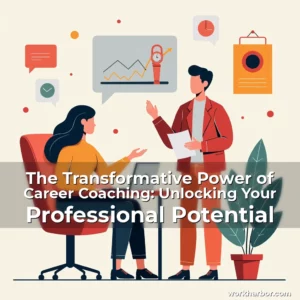
The Transformative Power of Career Coaching: Unlocking Your Professional Potential
Career coaching is an empowering journey that helps individuals navigate their professional lives with clarity and purpose. It offers personalized guidance tailored to your goals, aspirations, and challenges, enabling you to make informed decisions about your future.
In today’s fast-paced world, where industries evolve rapidly and job markets shift constantly, having a trusted advisor can be invaluable. This article explores how career coaching works, its benefits, and why it might be the key to unlocking your full potential at WorkHarbor.
Understanding the Role of a Career Coach
A career coach serves as both mentor and strategist, helping clients identify their strengths, values, and long-term objectives. Through structured sessions, they provide tools and frameworks designed to facilitate meaningful change.
This relationship is built on trust and open communication. Coaches ask probing questions that encourage self-reflection while offering practical advice based on industry trends and best practices.
- Goal Setting: A fundamental aspect involves setting SMART goals—Specific, Measurable, Achievable, Relevant, Time-bound—to ensure progress remains focused and measurable.
- Skill Development: Identifying gaps between current skills and desired outcomes allows coaches to recommend targeted learning opportunities such as courses or certifications.
- Networking Strategies: Effective networking isn’t just about attending events; it’s about building authentic relationships that support personal growth and career advancement.
Why Career Coaching Matters More Than Ever
With technological advancements reshaping traditional roles, professionals must continuously adapt to stay relevant. Career coaching equips individuals with strategies to thrive amidst these changes.
Moreover, it addresses common issues like burnout, lack of direction, or dissatisfaction within current positions by providing fresh perspectives and actionable solutions tailored specifically to each client’s needs.
The Impact of Remote Work on Career Paths
Remote work has blurred geographical boundaries, opening up global employment opportunities but also creating new challenges regarding visibility and connection within virtual teams.
Coaching assists professionals in leveraging digital platforms effectively—for instance, optimizing LinkedIn profiles or participating in online communities that align with their interests and expertise areas.
Bridging the Gap Between Education and Employment
Many graduates find themselves unprepared for the realities of modern workplaces despite academic achievements. Career coaches bridge this gap by focusing on soft skills development alongside technical knowledge acquisition.
They help students understand employer expectations beyond resumes, emphasizing qualities like teamwork, leadership, and problem-solving abilities which are crucial yet often overlooked during formal education.
- Resume Optimization: Crafting compelling narratives through resume writing workshops ensures candidates stand out from competitors vying for similar positions.
- Interview Preparation: Mock interviews simulate real scenarios allowing learners to practice responses confidently before actual encounters.
- Internship Guidance: Navigating internship applications becomes smoother when guided by someone who understands what employers seek in prospective hires.
Navigating Mid-Career Transitions Successfully
Changing careers mid-life requires careful planning and emotional resilience. Career coaches assist professionals in assessing whether a transition makes sense financially and personally before taking any steps forward.
They analyze market demand for various fields, evaluate transferable skills, and develop realistic timelines ensuring smooth transitions without leaving behind existing responsibilities prematurely.
Overcoming Fear of Change During Career Shifts
Fear often prevents people from pursuing fulfilling paths due to uncertainty surrounding financial stability or social status associated with different professions.
Through cognitive behavioral techniques combined with motivational interviewing approaches, coaches help clients reframe negative thoughts positively thereby reducing anxiety related to making significant life choices.
Leveraging Technology in Modern Career Coaching
Digital tools have transformed how career coaching services are delivered globally. From video conferencing software facilitating remote sessions to AI-driven assessments identifying personality types suitable for certain jobs.
These innovations allow greater accessibility since geographical constraints no longer limit access to quality coaching resources available worldwide irrespective of location.
- Virtual Collaboration Platforms: Tools like Zoom or Microsoft Teams enable seamless interaction regardless of physical proximity enhancing convenience for busy schedules.
- Data Analytics Applications: Employing analytics helps track performance metrics over time showing improvements made thanks to implemented strategies thus reinforcing positive behaviors consistently.
- E-Learning Modules: Online course offerings supplement face-to-face meetings providing flexible ways to acquire additional competencies whenever needed efficiently.
Building Resilience Against Workplace Challenges
Workplace stressors ranging from tight deadlines to interpersonal conflicts impact productivity negatively unless managed properly. Career coaches teach coping mechanisms aimed at maintaining mental well-being even under pressure conditions.
Techniques include mindfulness exercises promoting present-moment awareness along with assertiveness training improving confidence levels significantly especially among those facing difficult situations regularly.
- Mindfulness Practices: Incorporating daily meditation routines reduces cortisol levels contributing towards better concentration spans and overall happiness indices measured objectively via surveys conducted periodically.
- Assertive Communication Techniques: Learning how to express opinions respectfully yet firmly fosters healthier workplace dynamics minimizing misunderstandings potentially leading toward conflict resolution quicker than usual methods employed previously.
- Time Management Skills: Prioritizing tasks using methodologies like Eisenhower Matrix divides workload logically according to urgency versus importance thereby preventing overwhelm caused by unrealistic expectations set initially without considering capacity limits realistically.
Creating Long-Term Success Through Strategic Planning
Success doesn’t happen overnight—it requires consistent effort aligned with clear strategic plans developed collaboratively between client and coach alike. These blueprints outline milestones achievable step-by-step progressively moving closer toward ultimate objectives defined earlier during initial consultations.
Regular check-ins maintain accountability while adjusting course corrections necessary depending upon external factors affecting original assumptions made initially without sufficient information then.
Conclusion
Career coaching provides essential support systems guiding individuals through complex decision-making processes impacting their entire professional trajectories meaningfully.
If you’re seeking renewed motivation or need assistance navigating uncertain waters ahead regarding your future endeavors consider investing in yourself through dedicated career coaching programs offered exclusively here at WorkHarbor.